Ecosystem
Ecosystem
Published on
2020 Oct 21Subéraies
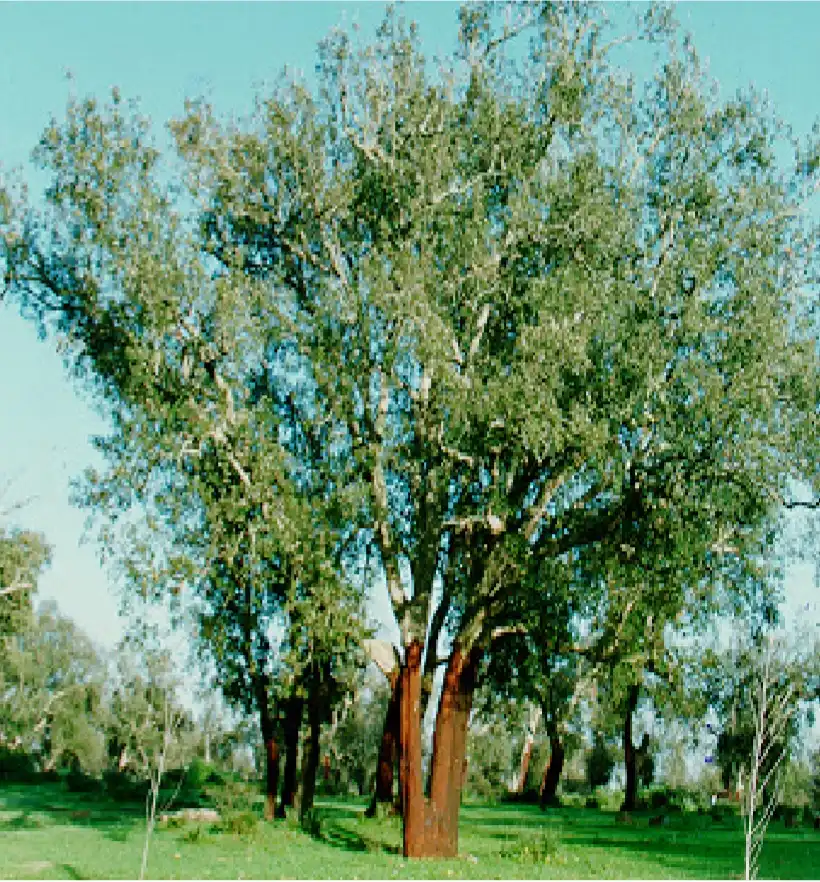
Cork oak (Quercus suber), which occupies an area of nearly 384,200 ha, is a remarkable species in our forests given its ecological and socio-economic roles. Suberaies are organized into forest trees, but you can also have coppices after cuts given the ability of cork oak to regenerate stumps. Cork oak shows almost pure facies in many regions, but is sometimes associated with Green and Zean oak. The undergrowth is generally quite rich: Cytisus linifolius, Thymelaea lythroides, Erica arborea, Erica scoparia, Cistus monspeliensis, Myrtus communis, Pteridium aquilinum...
Suberaies are home to a rich fauna, more than 250 species of arthropods have been recorded in the Maâmora forest, as well as 12 species of nesting birds.
Unfortunately, the cork oak area continues to decline under the action of anthropozoogenic degradation, to which damage due to several insect pests including Lepidoptera: Lymantria dispar and Melacosoma neustria, Coleoptera: Cerambyx cerdo, Platypus cylindrus and Curculio glandium; Hymenoptera: Crematogaster tellaris. The damage caused by these pests, in addition to very strong anthropozoogenic pressure, threatens the Maâmora forest with certain disappearance in the near future.