Morocco Strengthens Its Commitment to Biodiversity through the Development of the NBSAP 2026–2035
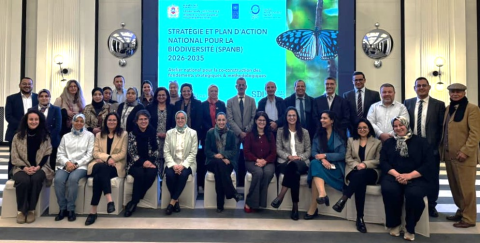
The Ministry of Energy Transition and Sustainable Development – Department of Sustainable Development organized, on March 24, 2026, a national workshop dedicated to the co-construction of the strategic and methodological foundations of the National Biodiversity Strategy and Action Plan (NBSAP) 2026–2035.
This workshop, organized with the support of the United Nations Development Programme (UNDP) and SDI Global Consult, is part of Morocco’s efforts to implement its commitments under the Convention on Biological Diversity (CBD), and to align with the Kunming–Montreal Global Biodiversity Framework adopted in 2022.
A Key Milestone in the Development of the NBSAP
The workshop brought together members of the National Biodiversity Sub-Commission, representatives of ministerial departments, national institutions, and experts, within a participatory approach aimed at:
- Presenting the methodological approach for developing the NBSAP 2026–2035;
- Reviewing the guiding principles and conceptual framework of the strategy;
- Discussing the national biodiversity vision for 2050;
- Defining the overall architecture and strategic axes of the strategy;
- Collecting feedback and recommendations from stakeholders.
An Ambitious Vision for 2050
The discussions contributed to consolidating an ambitious national vision aimed at reversing biodiversity loss, restoring ecosystems sustainably, and positioning Morocco as a regional and international model for harmonizing nature conservation with sustainable development.
Participants emphasized the importance of integrating green and blue economy dimensions, as well as the sustainable use of natural resources.
A Strategic Framework Built on Six Pillars
The future NBSAP 2026–2035 will be structured around six strategic axes:
- Conservation, restoration, and sustainable use of ecosystems;
- Integration of biodiversity into productive sectors;
- Urban, coastal, and wetland biodiversity;
- Governance, participation, and equity;
- Knowledge, innovation, and information systems;
- Financing and resource mobilization.
This structure will ensure coherent and integrated implementation, aligned with national priorities and international commitments.
Strengthening Governance, Territorial Integration, and Financing
The discussions highlighted several key priorities, including:
- Strengthening coordination between central and territorial levels;
- Enhancing the involvement of regional councils and local stakeholders;
- Integrating biodiversity into Regional Development Plans;
- Establishing dedicated and sustainable financing mechanisms;
- Building human and institutional capacities;
- Increasing private sector engagement.
- Establishing an Integrated Monitoring and Evaluation System
The workshop also emphasized the importance of developing a national monitoring and evaluation system (SysNBSAP), ensuring interoperability with existing systems and enhancing accountability in the implementation of the strategy.
Next Steps
Following this workshop, the Department of Sustainable Development, in coordination with its partners, will integrate the recommendations into the revised version of the NBSAP 2026–2035.
Stakeholders are invited to continue contributing through written feedback as part of an ongoing participatory process.
A Renewed National Commitment
Through this initiative, Morocco reaffirms its commitment to biodiversity conservation and sustainable use, in line with its national sustainable development priorities and international commitments.
The NBSAP 2026–2035 will serve as a key strategic instrument to preserve the country’s natural heritage and strengthen ecological and socio-economic resilience.